
 Trang chủ
 Khuyến Mãi
 Casino
 Thể Thao
 Đá Gà
Đá Gà Xổ Số
Xổ Số Bắn Cá
 Nổ Hũ
Nổ Hũ Tin Tức
Groups like Alcoholics Anonymous (AA) provide a strong community of support that includes individuals who are facing similar challenges. These groups offer an environment https://ecosoberhouse.com/ where individuals can share their experiences, find encouragement, and learn from others who have faced similar challenges. Support groups often utilize a step-based program that encourages personal responsibility and spiritual growth, which many find beneficial for long-term recovery.
Recognising Drinker’s Nose Symptoms
Swelling in the nose, another hallmark of alcoholic nose, occurs due to fluid retention and inflammation caused by alcohol’s disruption of the body’s vascular system. This swelling is often more pronounced in the morning and can give the nose a puffy, distorted appearance. Unlike allergic reactions, which cause temporary swelling, alcohol-induced edema is chronic and cumulative.
- Addiction Center is not a medical provider or treatment facility and does not provide medical advice.
- Alcoholic nose is just one of the many impacts that alcohol can have on your face and overall appearance.
- You are lifted by a community that understands your needs and validates your experience throughout your recovery journey.
- Before we discuss how to treat an alcoholic nose, it’s important to understand what causes it.
How Alcoholic Nose Can Point to an Addiction at Hand
- Oral antibiotics can be used if you have any infected cysts or pustules from acne, rosacea, or sun exposure.
- Rosacea flare-ups could contribute to continued growth of a bulbous nose.
- If you notice two or more of the above-mentioned symptoms, you are struggling with heavy drinking and need professional alcoholism treatment.
- Blood vessels expand and sometimes break, making some heavy drinkers look red and flushed even when sober.
- Unlike typical rosacea, this redness is persistent and worsens with continued alcohol intake.
In some cases, alcohol use can worsen symptoms of pre-existing rhinophyma – but it is not an underlying cause. Moreover, most people living with rhinophyma do not struggle with alcohol abuse. There isn’t a cure for rhinophyma, but specific treatments can help manage symptoms and prevent the condition from progressing. You can talk to your primary doctor or other health care providers about what treatments are available. Early signs of liver damage from alcohol include fatigue, weakness, and abdominal discomfort.
If you already have rosacea or rhinophyma, drinking can worsen these conditions and affect the nose’s appearance. Not all individuals who drink alcohol will experience alcoholic rhinopathy, and the severity of symptoms will depend on the quantity and type of alcohol consumed. Not all heavy drinkers will develop a Gin Blossom nose, and not alcoholic nose everyone with a red or swollen nose is a heavy drinker. Other factors, such as genetics, sun exposure, and certain medical conditions, can also contribute to the development of rosacea.
Why Alcohol Abuse Gets The Blame For Rhinophyma
As alcohol nose is most commonly linked to drinking alcohol in excess, there is a lot of negative stigma around it. People suffering from the condition are often shunned for it, as the person against them usually assumes they have developed it because of drinking. This makes it difficult for the affected individuals to seek help and get proper treatment. However, it is important to note that drinking can trigger flushed skin, but it cannot be attributed as a cause of rosacea.
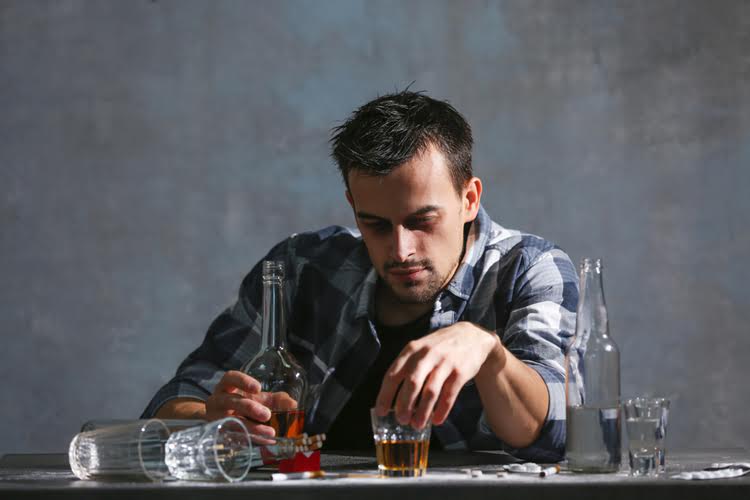
The Progression of Problem Drinking into Alcoholism
Weighing the impact on your life against your desire to drink may help you to make a decision. Later stages of rhinophyma occur when the blood vessels have burst, and the nose becomes deformed and can only be treated with surgery. This also is not funded by the NHS, and reconstructive surgery can cost tens of thousands. Symptoms of Rhinophyma or drinker’s nose begin with swelling, redness and bumps on your nose. Zinc, an essential mineral, is another nutrient significantly depleted by alcohol. Zinc is vital for skin repair, immune function, and the reduction of inflammation.
Long-term Follow-up and Relapse Prevention
Early intervention with medical therapies often prevents progression to advanced stages requiring surgical correction. Addiction Center is not a medical provider or treatment facility and does not provide medical advice. The treatment centers found on the Addiction Center site are paid advertisers. The information provided by Addiction Center is not a substitute for professional treatment advice. Depending on the level of disfigurement and patient discomfort, treatment of rhinophyma can include medication with or without surgery.
Whether a person is dealing with rhinophyma or alcoholism, it should not be acceptable to alienate a person or group of people due to a disease. There are several million individuals who attempt to manage their addiction every day, and less than eight percent actually seek treatment. Even though research is debunking the connection between alcoholism and rhinophyma, there is still a stigma attached to this disorder. It can be difficult for people with rhinophyma to go out in public due to the judgment they receive from others based on the appearance of their nose. If we consistently consume alcohol, these blood vessels may remain enlarged, giving the nose a perpetually reddened, bulbous look.
The condition develops gradually over time and represents the most severe form of rosacea, a chronic inflammatory skin disorder that affects millions of people worldwide. Rhinophyma is a condition that occurs when rosacea, a chronic skin disorder, spreads to the nose. Rosacea causes visibly red or swollen skin and sometimes bumps or acne-like conditions.

In many cases, alcoholic nose will improve or even go away completely if you stop drinking alcohol. The most effective way to treat rhinophyma is through surgery to remove the growths and reshape the nose back to its original form. Some medications may help a little with the redness, but once this condition is present most people will require some form of surgery. Like rhinophyma, rosacea is more common in those with pale complexions and a family history of skin conditions. If this skin condition is left untreated, it can severely affect the appearance of the nose. It may become lumpy and misshapen, and the tip of the nose can become so enlarged that it obstructs the nostrils.
Frequently Asked Questions About Alcoholic Nose
If left unchecked, the nose may develop a thickened, bumpy texture, resembling a waxy or swollen appearance. While alcohol is a significant contributor, other factors like genetics, sun Sober living house exposure, and skin type also play a role. For those with a predisposition to rosacea, even moderate alcohol consumption can accelerate the condition. Regular use of sunscreen and gentle skincare routines can help slow its progression. The association between red nose and alcohol is primarily linked to rosacea, a chronic skin condition, rather than solely being caused by alcohol consumption itself. Alcohol does not directly cause rosacea or rhinophyma, but it acts as a significant trigger and exacerbating factor for individuals who already have or are prone to rosacea.
Meeting new people or doing basic tasks outside their homes can fill them with the fear of being judged or ridiculed. W.C. Fields was a popular U.S. comedian who appeared on stage and in several movies in the first half of the twentieth century. He was known for his large, bulbous nose and his connection with alcohol. Finally, you may experience dry and bloodshot eyes as the dehydrating effect of alcohol reduces the amount of tears that you produce.
